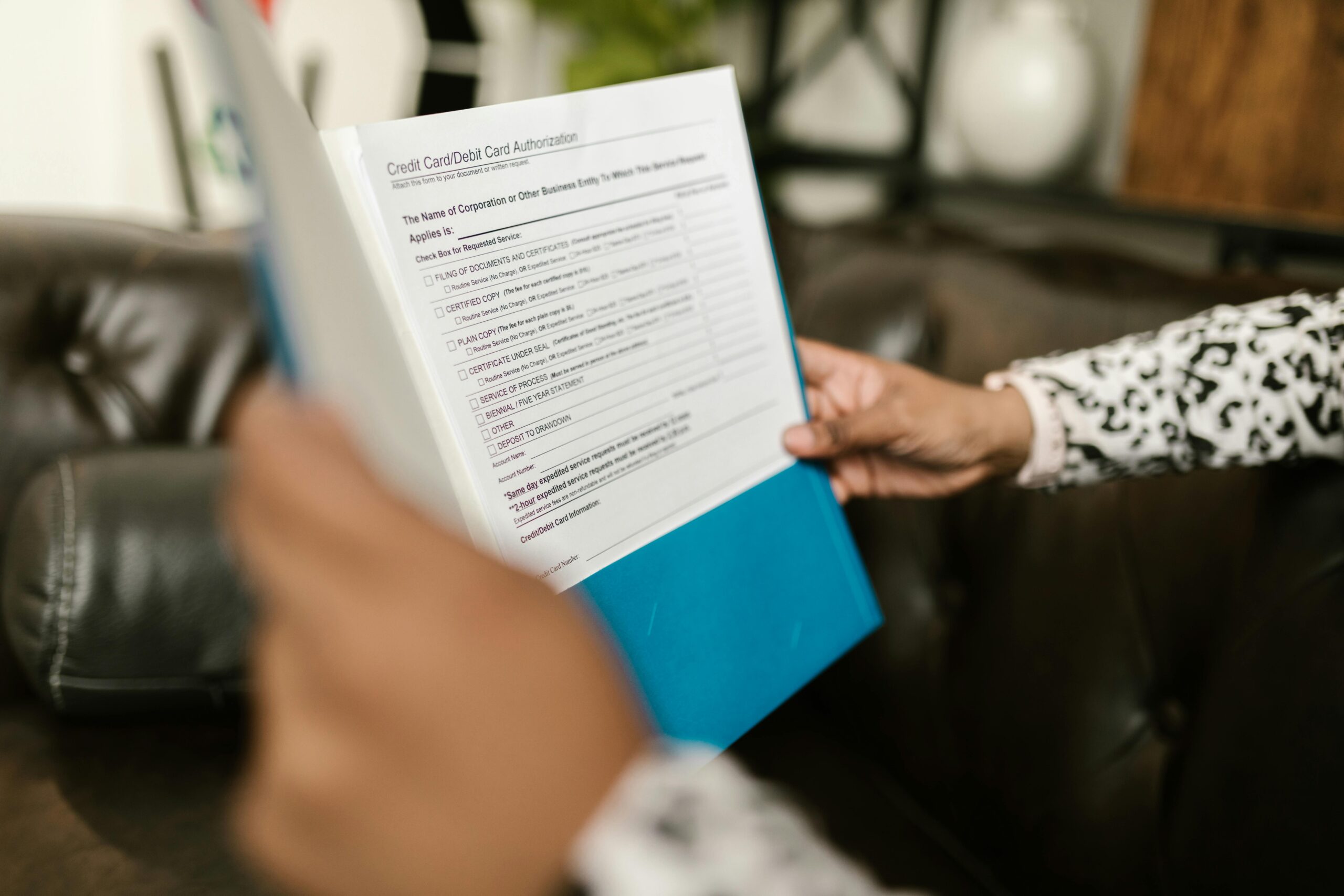
Managing physical documents efficiently can transform your workspace, boost productivity, and protect sensitive information from loss or damage.

In our increasingly digital world, it’s easy to overlook the importance of proper physical document storage. Yet, most businesses and households still accumulate substantial amounts of paper records—tax documents, contracts, medical records, certificates, and countless other important files. Without a systematic approach to organizing and securing these materials, you risk losing critical information, wasting valuable time searching for documents, and compromising your privacy.
This comprehensive guide will walk you through everything you need to know about creating an efficient, secure, and sustainable physical document storage system that works for your specific needs.
📋 Why Physical Document Storage Still Matters in the Digital Age
Despite the push toward paperless offices, physical documents remain essential for several compelling reasons. Legal requirements often mandate that certain records be kept in their original paper form. Many government agencies, financial institutions, and legal proceedings still require physical signatures and original documentation.
Additionally, not all documents can be digitized immediately or cost-effectively. Historical records, artwork, handwritten notes with sentimental value, and documents with special seals or watermarks often need to remain in physical form. Having a robust physical storage system complements your digital efforts rather than competing with them.
Physical backups also provide crucial redundancy. In cases of digital system failures, cyberattacks, or technological obsolescence, having paper copies can literally save your business or protect your personal interests.
🎯 Assessing Your Document Storage Needs
Before implementing any storage solution, you need to understand exactly what you’re dealing with. Start by conducting a thorough inventory of all physical documents currently in your possession. Categorize them by type, frequency of access, retention requirements, and sensitivity level.
Consider how often you need to access different categories of documents. Some files, like current project materials or frequently referenced contracts, require immediate accessibility. Others, such as archived tax returns or historical records, may only need retrieval once every few years.
Creating Document Categories
Effective categorization is the foundation of any successful storage system. Common categories include:
- Active documents: Currently in use, requiring frequent access
- Reference materials: Occasionally needed for consultation
- Archives: Historical records kept for legal or compliance reasons
- Vital records: Irreplaceable documents requiring maximum security
- Temporary files: Short-term materials awaiting disposal or digitization
Each category will have different storage requirements regarding accessibility, security level, and environmental conditions.
🏗️ Building Your Physical Storage Infrastructure
Once you understand your needs, you can design an infrastructure that matches them. The right storage solution depends on your space constraints, budget, security requirements, and the volume of documents you’re managing.
Choosing the Right Storage Equipment
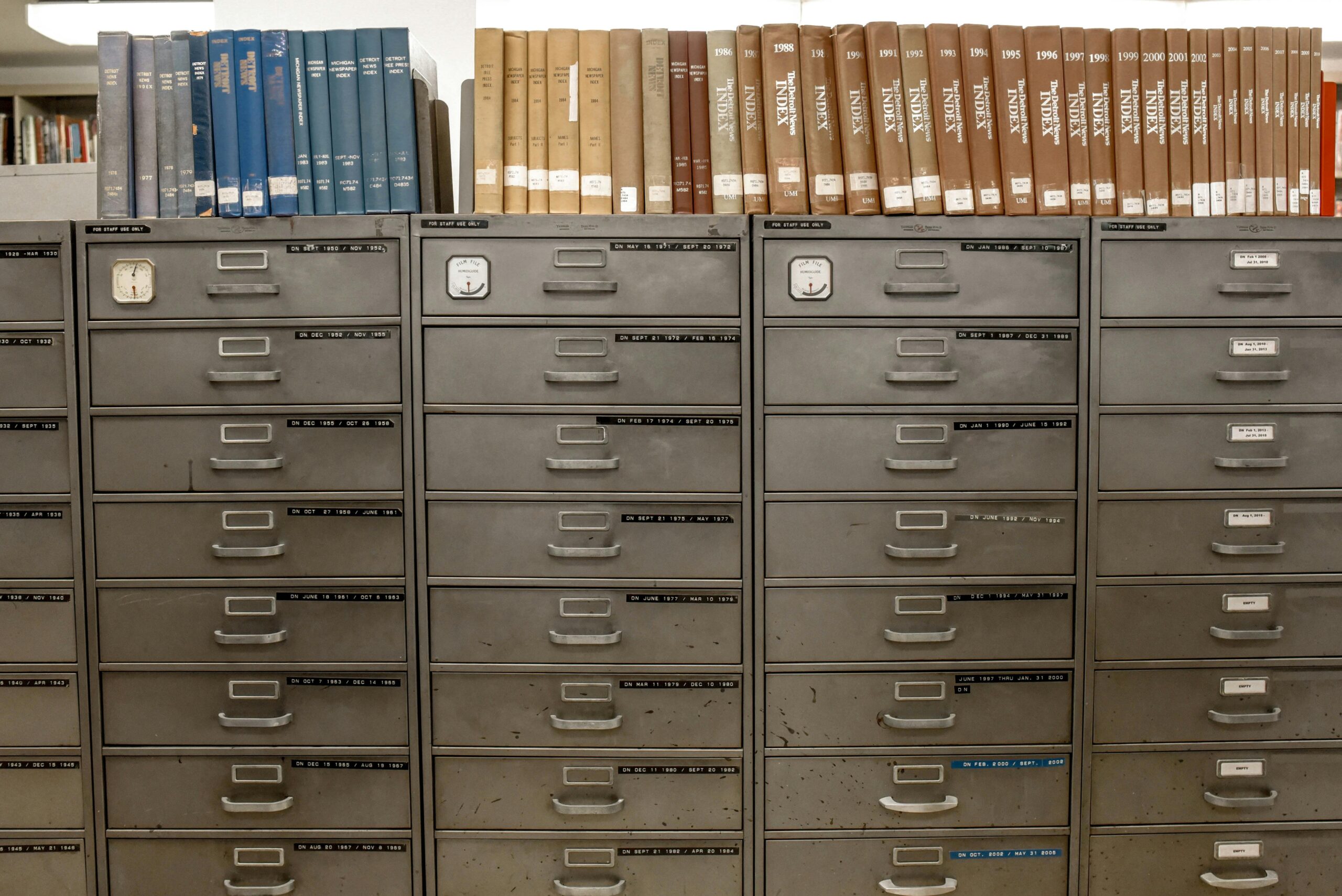
Filing cabinets remain the most popular choice for document storage, and for good reason. They’re secure, organized, and come in various sizes and configurations. Vertical filing cabinets save floor space, while lateral cabinets provide easier access and more storage capacity per drawer.
For high-volume storage or archival purposes, consider mobile shelving systems. These space-efficient solutions can increase storage capacity by up to 50% compared to traditional static shelving. They’re particularly valuable in offices with limited square footage.
Fireproof safes and cabinets are essential for vital records. Look for products with appropriate fire ratings—typically ranging from 30 minutes to four hours of protection at temperatures up to 1,700°F. Water resistance is equally important, as fire suppression systems can cause water damage.
Storage Containers and Supplies
Invest in quality storage materials that protect your documents over time. Acid-free folders, boxes, and sleeves prevent yellowing and deterioration. Clear plastic sheet protectors shield frequently handled documents from wear and tear while keeping them visible.
Banker’s boxes are excellent for archival storage. They’re affordable, stackable, and come in standard sizes that fit neatly on shelves. Choose archive-quality boxes for long-term storage to ensure they don’t deteriorate or damage the contents.
🔐 Implementing Security Measures for Sensitive Documents
Document security goes beyond simply locking a filing cabinet. A comprehensive security strategy addresses physical access control, environmental threats, and disaster preparedness.
Access Control Systems
Restrict access to sensitive documents based on need and authorization level. This might involve physical keys, combination locks, or electronic access control systems. Keep a log of who accesses what documents and when, particularly for highly confidential materials.
Consider implementing a check-out system for important documents. When someone removes a file, they should sign it out and leave a placeholder indicating where the document has gone and when it’s expected to return. This simple practice prevents lost files and maintains accountability.
Environmental Protection
Paper documents are vulnerable to environmental damage. Maintain storage areas at appropriate temperature and humidity levels—ideally between 65-70°F and 30-50% relative humidity. Excessive moisture promotes mold growth, while too-dry conditions make paper brittle.
Protect documents from direct sunlight, which causes fading and deterioration. Position filing cabinets and shelves away from windows, or use UV-filtering window treatments in storage areas.
Regular pest control is crucial. Insects and rodents can destroy documents quickly. Store food and beverages away from document storage areas, and schedule regular pest inspections.
📂 Developing an Effective Organization System
A storage system is only as good as its organization. Without clear organization principles, even the best equipment becomes a jumbled mess over time.
Filing Methods That Work
Alphabetical filing is intuitive and works well for client files, vendor records, or personnel documents. Within each alphabetical section, you can implement secondary organization by date, project, or document type.
Numerical systems offer greater confidentiality and unlimited expansion capability. Assign each file a unique number and maintain a separate index connecting numbers to names or subjects. This method works particularly well for large-scale operations or when privacy is paramount.
Subject-based filing organizes documents by topic or category rather than name. This approach suits research materials, reference libraries, or policy documents where multiple related items should be grouped together.
Color-Coding for Visual Efficiency
Color-coding dramatically improves retrieval speed and reduces misfiling. Assign specific colors to departments, document types, years, or priority levels. The visual distinction allows users to spot misplaced files immediately and find correct sections quickly.
Use colored file folders, labels, or tabs consistently throughout your system. Document your color scheme clearly so everyone understands the meaning of each color.
🗂️ Labeling Best Practices for Quick Retrieval
Clear, consistent labeling is the difference between finding a document in seconds versus searching for hours. Establish labeling standards and ensure everyone follows them religiously.
Label placement should be consistent and visible. For hanging files, place labels on the plastic tabs in the same position for every folder. For folder files, position labels in the upper right corner where they’re visible even in tightly packed drawers.
Use descriptive but concise labels. Include enough information to identify contents without reading a paragraph. For date-based organization, use a consistent format (YYYY-MM-DD works best for chronological sorting).
Consider using a label maker for professional, legible labels. Handwritten labels can work but often become difficult to read, especially on colored folders or in poor lighting.
📅 Establishing Document Retention Policies
Not every document deserves permanent storage. Retention policies help you determine what to keep, how long to keep it, and when to dispose of it safely.
Legal and regulatory requirements dictate minimum retention periods for many document types. Tax records, employment files, contracts, and financial statements all have specific retention requirements that vary by jurisdiction and industry. Research the applicable laws for your situation or consult with legal counsel.
Create a retention schedule that lists document types and their corresponding retention periods. This schedule becomes your roadmap for routine purging of outdated materials, preventing storage areas from becoming overwhelmed with obsolete files.
Secure Document Disposal
When documents reach the end of their retention period, dispose of them securely. Simply throwing sensitive documents in the trash invites identity theft and data breaches.
Cross-cut shredders provide adequate security for most documents. For highly sensitive materials, consider pulverization or professional document destruction services that provide certificates of destruction.
Schedule regular purging sessions—quarterly or annually—to review files against your retention schedule and dispose of eligible documents. This prevents accumulation and keeps your system manageable.
💡 Optimizing Space Utilization
Efficient space utilization maximizes your storage capacity without requiring additional square footage. Start by utilizing vertical space fully. Tall shelving units or filing cabinets make use of otherwise wasted overhead space.
Mobile shelving systems compact storage by eliminating unnecessary aisles. These systems feature shelving units mounted on tracks, allowing them to move together or apart as needed. You only need one access aisle, which can move to whichever section you’re accessing.
Off-site storage may be cost-effective for archival documents that require infrequent access. Commercial storage facilities offer climate-controlled units with security features at lower costs than maintaining equivalent space in premium office locations.
🔄 Balancing Physical and Digital Storage
The most effective document management strategies combine physical and digital storage, leveraging the strengths of each approach.
Digitize documents when possible, keeping physical originals only when legally required or practically necessary. Scanning creates searchable backups that protect against loss while providing remote access capability.
For documents you’ve digitized, maintain a clear connection between physical and digital versions. Use consistent file naming conventions that match your physical filing system. Consider adding QR codes or barcodes to physical folders that link to their digital counterparts.
Some document management applications help bridge physical and digital storage by tracking physical document locations digitally. These systems let you search a digital index to discover where physical documents are stored.
🛠️ Maintaining Your Storage System Over Time
Creating an organized storage system is just the beginning. Maintenance ensures it remains functional and efficient over months and years.
Schedule regular audits to identify problems before they become overwhelming. Check for misfiled documents, outdated materials that should be purged, worn folders that need replacement, and gaps in your filing system.
Train everyone who uses the system on proper filing procedures. Provide clear documentation of your organization scheme, naming conventions, and filing rules. New employees should receive filing system training as part of their onboarding.
Continuously refine your system based on actual usage patterns. If certain files are accessed frequently, move them to more convenient locations. If categories become too large, subdivide them. Your system should evolve with your needs.
✨ Transforming Chaos Into Order
Implementing an efficient physical document storage system requires initial effort but delivers lasting benefits. You’ll spend less time searching for documents, reduce risk of lost or damaged files, ensure compliance with legal requirements, and create a more professional, productive work environment.
Start with a thorough assessment of your current situation and needs. Invest in appropriate storage equipment and supplies. Establish clear organization principles and labeling standards. Implement security measures appropriate to your document sensitivity levels. Create and enforce retention policies. Finally, commit to ongoing maintenance and continuous improvement.
Whether you’re organizing a home office, small business, or large enterprise, these principles scale to meet your needs. The key is consistency—establish systems and follow them religiously. When everyone understands and adheres to the same organizational principles, your physical document storage transforms from a source of frustration into a valuable asset that supports your goals rather than hindering them. 🎯