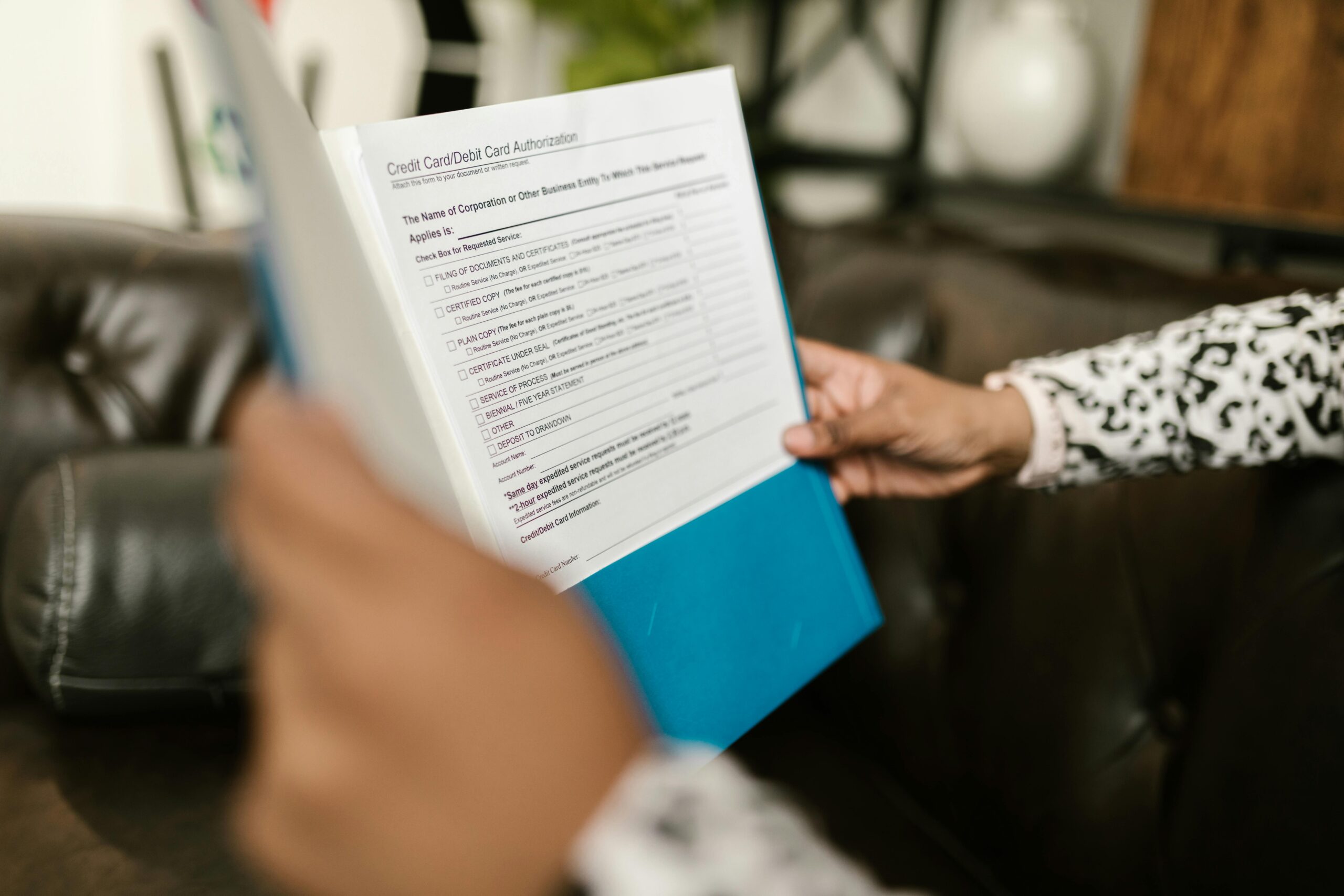
Success in business often hinges on how well you negotiate—and how effectively you track those negotiations. Mastering negotiation record keeping transforms your deal-making capabilities and creates lasting competitive advantages.

📊 Why Documentation Drives Deal Success
Every negotiation tells a story, and the details matter more than most professionals realize. When you systematically document your negotiations, you’re not just creating records—you’re building a strategic asset that compounds over time. The most successful negotiators understand that memory is fallible, details fade, and opportunities hide in documented patterns.
Think about your last significant business deal. Can you recall every commitment made, every concession offered, and every condition discussed? Probably not. This is where effective record keeping becomes your secret weapon, turning fragmented memories into actionable intelligence that drives better outcomes.
Research consistently shows that negotiators who maintain detailed records achieve 23-37% better terms than those who rely on memory alone. This isn’t coincidental—it’s the natural result of having clarity, accountability, and strategic insights at your fingertips when they matter most.
🔑 The Foundation: What to Document in Every Negotiation
Effective negotiation record keeping isn’t about capturing everything—it’s about capturing what matters. Your documentation system should balance comprehensiveness with practicality, ensuring you gather insights without drowning in administrative burden.
Essential Elements of Negotiation Records
Start with the basics: date, time, participants, and setting. These contextual details seem obvious, but they establish the framework for everything that follows. Note whether the negotiation occurred in person, via video conference, or through written communication—the medium influences dynamics and interpretations.
Document the positions and interests clearly. Positions are what people say they want; interests are why they want them. This distinction is fundamental to effective negotiation, and your records should capture both layers. When someone states they need delivery by the end of the month, that’s a position. The underlying interest might be meeting their own customer commitments or hitting quarterly targets.
Track all proposals and counterproposals with timestamps. Negotiations evolve, and understanding the progression of offers reveals patterns about flexibility, priorities, and potential breakthrough points. Don’t just record the final terms—capture the journey that led there.
The Human Element: Reading Between the Lines
Beyond facts and figures, document behavioral observations and emotional cues. Did the other party seem particularly enthusiastic about certain terms? Where did they show resistance or hesitation? These subjective observations often reveal leverage points and priorities that never get explicitly stated.
Note the language choices people make. Do they say “we might consider” or “we definitely need”? The difference matters. Record these verbal patterns because they indicate conviction levels and negotiating room on various issues.
💼 Building Your Negotiation Record System
The best documentation system is the one you’ll actually use consistently. It needs to fit your workflow, not disrupt it. Start simple and evolve based on what provides the most value in your specific context.
Digital vs. Traditional Methods
Digital tools offer searchability, accessibility, and integration capabilities that paper records simply cannot match. Cloud-based systems ensure your negotiation intelligence follows you across devices and locations, while built-in security features protect sensitive information.
However, some negotiators find that handwritten notes during face-to-face meetings feel less intrusive and help them stay more present. The solution? Use both. Take handwritten notes during meetings, then digitize them shortly afterward while details remain fresh, adding context and analysis during the transcription process.
Structuring Your Documentation
Create templates that guide your record keeping without constraining it. A good template ensures you don’t forget critical elements while allowing flexibility for unique situations. Your template might include sections for:
- Meeting metadata (date, time, participants, location)
- Stated objectives and desired outcomes for each party
- Opening positions and underlying interests
- Proposals, counterproposals, and responses
- Areas of agreement and points of contention
- Action items and commitments with responsible parties
- Follow-up requirements and deadlines
- Strategic observations and insights
- Questions to explore in future discussions
📈 Turning Records into Strategic Advantages
Documentation without analysis is just data hoarding. The real power emerges when you transform your records into actionable insights that improve future negotiations and create competitive advantages.
Pattern Recognition Across Negotiations
After documenting multiple negotiations with the same party or within the same industry, patterns emerge. You might discover that certain vendors always show flexibility on payment terms but rarely budge on pricing. Or that particular customers consistently prioritize delivery speed over cost considerations.
These patterns become your negotiating playbook. When you understand typical behaviors and priorities, you can structure initial proposals more strategically, anticipate objections, and prepare compelling responses before they’re needed.
Performance Analysis and Continuous Improvement
Your negotiation records enable objective performance analysis. Review past negotiations to identify what worked and what didn’t. Which approaches yielded concessions? Where did you leave value on the table? What objections caught you unprepared?
Create a personal scorecard tracking metrics like deal cycle length, value captured, relationship quality post-negotiation, and implementation success. These metrics reveal your negotiation strengths and development opportunities with clarity that gut feelings cannot provide.
🛡️ Protecting Yourself Through Documentation
Beyond improving outcomes, thorough negotiation records provide crucial protection when disputes arise or memories diverge. Clear documentation establishes what was actually agreed versus what people later claim was understood.
Creating Accountability
When you send meeting summaries to all participants after each negotiation session, you’re creating shared accountability. These summaries, drawn from your detailed records, ensure everyone has the same understanding of what was discussed and agreed upon.
Frame these summaries as “my understanding of our discussion” rather than definitive statements. This approach invites corrections while still establishing a baseline record. If no one objects or offers clarifications within a reasonable timeframe, your summary becomes the de facto record.
Legal and Compliance Considerations
In regulated industries or high-stakes negotiations, your records may serve legal and compliance purposes. Consult with legal counsel about retention requirements, privacy considerations, and appropriate documentation practices for your specific context.
Be mindful about what you write, knowing records might be discoverable in legal proceedings. Focus on factual observations and business rationale rather than personal opinions or potentially inflammatory characterizations.
⚡ Real-Time Record Keeping Techniques
The challenge isn’t just what to document but how to capture information effectively during active negotiations without losing engagement or appearing distracted.
The Two-Person Advantage
Whenever possible, negotiate in pairs with clearly defined roles. One person leads the negotiation while the other focuses primarily on observation and documentation. This division of labor ensures comprehensive record keeping without compromising engagement quality.
The documenter can also provide real-time support, passing notes about concerns, opportunities, or points that need clarification. This silent communication channel adds strategic depth to your negotiating capabilities.
Technology as Your Silent Partner
For phone negotiations, recording (with appropriate disclosure and consent) ensures you capture every detail without distraction. Many jurisdictions require all-party consent for recording, so understand and follow applicable laws.
For video conferences, recording features combined with AI-powered transcription services can generate searchable records of entire negotiations. Review these transcripts afterward to extract key points and insights that might have been missed in real-time.
The Post-Meeting Debrief
Schedule 15-30 minutes immediately after each negotiation session for documentation and reflection. While everything remains fresh, expand your notes, capture insights, and identify preparation needs for the next session. This immediate processing dramatically improves record quality and strategic value.
🎯 Advanced Strategies for Expert Negotiators
As your documentation practice matures, implement advanced techniques that extract even greater value from your negotiation intelligence.
Creating Stakeholder Profiles
Build comprehensive profiles of people and organizations you negotiate with repeatedly. Beyond basic contact information, document their negotiating style, decision-making process, priorities, pressure points, and relationship history.
Note personal details that build rapport—hobbies, interests, career background, communication preferences. These details humanize relationships and create connection opportunities that facilitate better outcomes.
Mapping Organizational Dynamics
In complex B2B negotiations, multiple stakeholders often influence decisions. Document the organizational structure, decision-making hierarchy, internal politics, and relationships between key players. Understanding who influences whom reveals paths to building coalition support for your proposals.
Create visual maps showing these relationships and influence patterns. These maps become invaluable strategic tools for navigating complex negotiations with multiple decision-makers and influencers.
🔄 Integrating Records into Your Workflow
Documentation becomes powerful when it integrates seamlessly with your broader business processes rather than existing as an isolated activity.
Linking to CRM and Project Management
Connect your negotiation records with customer relationship management and project management systems. This integration ensures that insights inform broader customer strategies and that negotiated commitments flow directly into implementation tracking.
When your sales team can access comprehensive negotiation history before customer conversations, they’re better prepared. When your delivery team understands exactly what was promised and why, they’re better positioned to exceed expectations.
Building Institutional Knowledge
Individual negotiation skills matter, but organizational negotiating capability creates sustainable advantages. When your team shares negotiation records and learnings, everyone benefits from collective experience.
Establish regular forums where negotiators share insights, discuss challenging situations, and learn from each other’s experiences. Your documentation becomes the foundation for these knowledge-sharing sessions, transforming individual expertise into organizational capability.
🌟 Overcoming Common Documentation Challenges
Even with clear benefits, negotiators often struggle with consistent record keeping. Understanding and addressing common obstacles ensures your system succeeds.
The Time Constraint Myth
Many professionals claim they’re too busy for thorough documentation. This perspective misses a crucial truth: good records save far more time than they consume. The minutes spent documenting prevent hours of confusion, back-and-forth clarification, and dispute resolution later.
Start small if needed. Even basic records beat no records. As you experience the benefits, you’ll naturally invest more time because the return is obvious.
Maintaining Consistency Under Pressure
When negotiations intensify, documentation often suffers. Combat this by making record keeping automatic—a non-negotiable part of your process rather than an optional add-on.
Use checklists to ensure you capture essential elements even when rushed. Set calendar reminders for post-meeting documentation so it doesn’t slip through the cracks during busy periods.
🚀 The Compounding Returns of Negotiation Intelligence
Perhaps the most compelling argument for rigorous negotiation record keeping is how value compounds over time. Your first documented negotiation provides modest benefits. Your hundredth creates a strategic intelligence asset that transforms your negotiating capabilities.
Imagine approaching a negotiation with five years of documented history—understanding exactly what terms were achieved previously, what strategies worked, what objections arose, and how they were overcome. You’re not just more prepared; you’re operating at a fundamentally different level than competitors who rely on memory and instinct alone.
This accumulated intelligence creates competitive moats that grow stronger over time. While others start from scratch with each negotiation, you’re building on a foundation of documented insights that grows richer with every interaction.

✨ Your Path to Negotiation Mastery
Effective negotiation record keeping isn’t complicated, but it does require commitment. Start today with simple documentation practices. Note the basics in your next negotiation—what was discussed, what was agreed, and what remains unresolved.
As documentation becomes habitual, add layers of sophistication. Capture behavioral observations. Analyze patterns. Build profiles. Create systems that transform isolated records into strategic intelligence.
The negotiators who consistently achieve exceptional outcomes aren’t necessarily more charismatic or aggressive than their peers. They’re better prepared, more analytical, and more strategic—advantages that flow directly from superior documentation and the insights it generates.
Your negotiation records are seeds planted today that grow into strategic advantages tomorrow. The question isn’t whether you can afford to invest in thorough documentation—it’s whether you can afford not to. Every undocumented negotiation is a lost learning opportunity and a potential future vulnerability.
Master the art of negotiation record keeping, and you’ll master the art of consistently achieving better deals. The power is in the details, and the details are in your records. Start building your negotiation intelligence asset today, and watch how it transforms your deal-making capabilities in the months and years ahead.