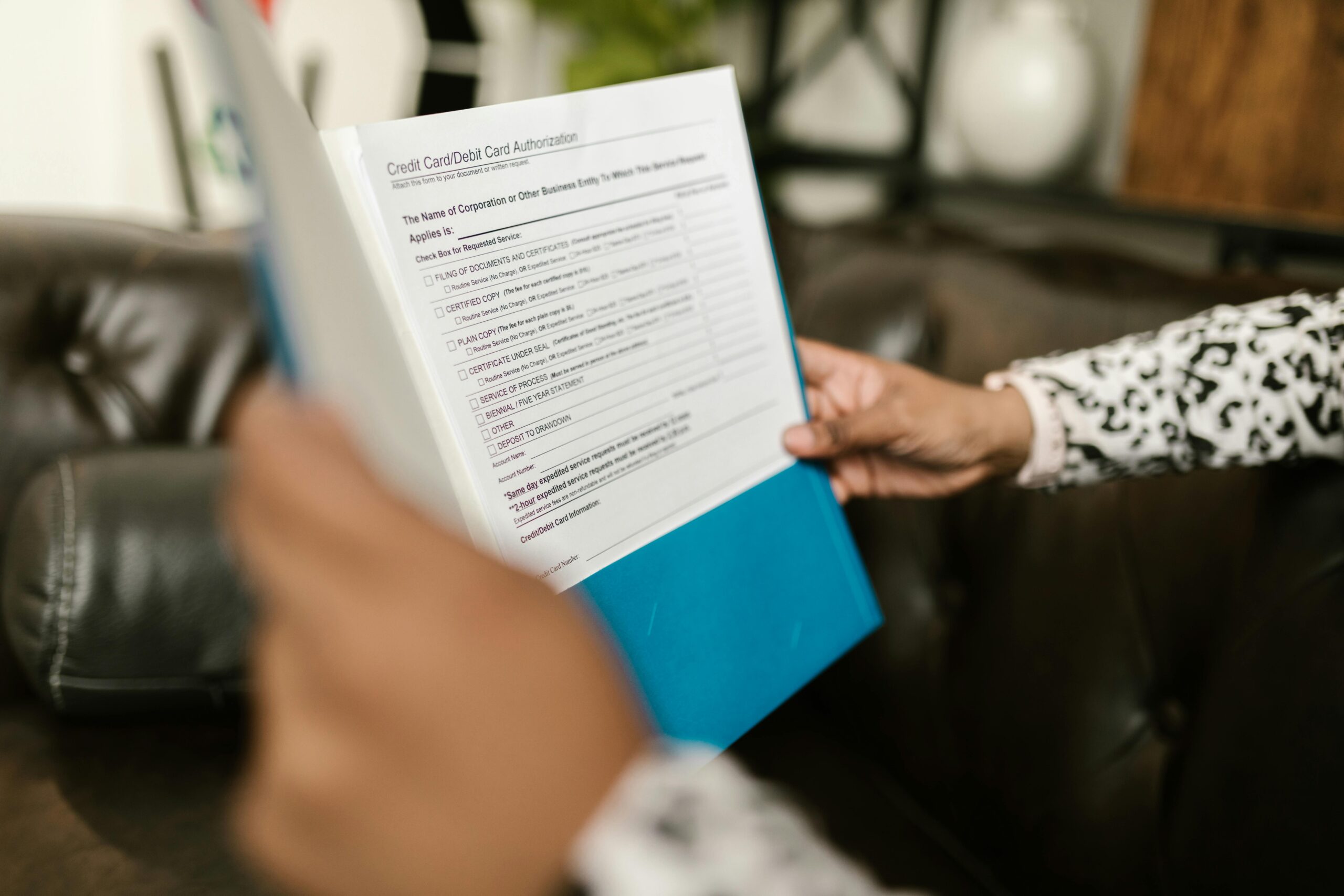
Paper-based approval flows remain surprisingly relevant in today’s digital workplace, offering tangible benefits that streamline decision-making processes and enhance organizational efficiency through proven methods.

📋 Why Paper-Based Approval Systems Still Matter in Modern Workflow Management
Despite the overwhelming push toward digital transformation, paper-based approval flows continue to serve critical functions across various industries. These traditional systems provide immediate accessibility, require no specialized training, and offer a physical audit trail that many organizations find reassuring. Understanding when and how to leverage paper-based workflows can significantly improve your organization’s decision-making processes while maintaining compliance and accountability standards.
The tactile nature of paper documents creates a psychological commitment that digital signatures sometimes lack. When executives physically sign documents, there’s a deliberate acknowledgment of responsibility that translates into more thoughtful decision-making. This fundamental human element shouldn’t be overlooked when designing comprehensive workflow management systems.
🎯 The Strategic Advantages of Physical Documentation in Approval Processes
Paper-based approval flows offer distinct advantages that digital systems struggle to replicate. The permanence of physical signatures, the ease of quick annotations, and the ability to review documents without technological barriers make these systems invaluable for specific organizational contexts.
Tangible Accountability and Legal Standing
Physical signatures carry significant legal weight in many jurisdictions. Courts and regulatory bodies often recognize paper documents with original signatures as more authoritative than digital equivalents. This legal standing provides organizations with stronger protections during audits, disputes, or compliance reviews.
The physical presence of signed documents creates a psychological barrier against casual approvals. Decision-makers tend to scrutinize paper documents more carefully before signing, reducing the risk of hasty or unconsidered approvals that might slip through digital systems where clicking “approve” becomes routine.
Universal Accessibility Without Technical Barriers
Paper-based systems democratize access to approval processes. Employees at all technical skill levels can participate without training on specialized software. This universality proves particularly valuable in organizations with diverse workforces, including older employees who may be less comfortable with digital tools or field workers without consistent technology access.
Manufacturing facilities, construction sites, and healthcare environments often find paper-based approvals more practical than digital alternatives. These settings present challenges for electronic devices, including exposure to harsh conditions, hygiene requirements, or security restrictions that make physical documents the more reliable choice.
🔄 Designing Efficient Paper-Based Approval Workflows
Creating effective paper-based approval systems requires thoughtful design that balances thoroughness with efficiency. Well-structured workflows prevent bottlenecks, ensure proper routing, and maintain clear documentation trails throughout the approval journey.
Establishing Clear Routing Protocols
Successful paper-based workflows depend on unambiguous routing instructions. Each document should clearly indicate the approval sequence, including names, titles, and departments responsible for each stage. Color-coded forms can help differentiate between approval types, urgency levels, or departmental functions.
Creating physical routing slips attached to documents provides transparency throughout the approval process. These slips should include spaces for timestamps, signatures, and brief comments at each stage, creating a comprehensive audit trail that tracks document movement and decision-making progression.
Implementing Strategic Checkpoints
Effective paper-based systems incorporate strategic checkpoints where documents are logged, scanned, or reviewed. These touchpoints prevent documents from getting lost while providing status visibility to stakeholders. Central receiving areas can serve as hubs where documents are registered before routing and logged again upon return.
Establishing deadline protocols ensures timely processing. Documents should display clear due dates, and automatic escalation procedures should activate when approvals stall beyond acceptable timeframes. Designating backup approvers prevents single points of failure when primary decision-makers are unavailable.
📊 Optimizing Document Design for Maximum Clarity
The physical format of approval documents significantly impacts workflow efficiency. Well-designed forms guide approvers through decision points logically, reduce errors, and accelerate processing times while maintaining comprehensive documentation.
Creating Intuitive Form Layouts
Approval forms should feature logical information hierarchies that lead reviewers through content systematically. Critical information belongs at the top, with supporting details following in order of importance. Clear section headers, adequate spacing, and strategic use of bold or highlighted text draw attention to key decision points.
Checkbox options streamline routine approvals while ensuring consistency. Rather than requiring written responses for standard scenarios, well-designed forms offer predefined options that approvers can quickly select. This approach reduces processing time while standardizing decision documentation across the organization.
Incorporating Visual Decision Trees
Complex approval processes benefit from visual decision trees printed directly on forms. These flowcharts guide approvers through conditional logic, ensuring documents reach appropriate reviewers based on specific criteria such as dollar amounts, project types, or risk levels.
Visual cues like arrows, boxes, and highlighted paths reduce confusion and minimize routing errors. When approvers can visually trace the correct path through the approval process, documents flow more smoothly through appropriate channels without requiring constant procedural references.
🛡️ Maintaining Security and Compliance in Physical Workflows
Paper-based approval systems must incorporate robust security measures to protect sensitive information and maintain compliance with regulatory requirements. Physical documents present unique security challenges that require specific protective strategies.
Implementing Document Tracking Systems
Comprehensive tracking mechanisms prevent document loss and unauthorized access. Barcode or QR code systems allow organizations to log document movements electronically while maintaining paper-based core processes. Scanning documents at transfer points creates digital breadcrumbs without requiring fully digital workflows.
Numbered forms with logged sequences help identify missing documents quickly. When forms are issued from controlled inventories, gaps in numbering immediately flag potential losses or security breaches. This simple control mechanism provides powerful oversight with minimal administrative burden.
Establishing Secure Storage Protocols
Physical documents require secure storage throughout their lifecycle. Locked cabinets, restricted access areas, and clear custody chains protect sensitive information from unauthorized viewing. Organizations should implement clean desk policies requiring immediate storage of approval documents when not actively under review.
Retention schedules balance regulatory requirements with practical storage limitations. Clearly defined policies specify how long different document types must be retained, when they can be destroyed, and what destruction methods ensure complete information disposal. These protocols protect organizations from both compliance violations and unnecessary storage costs.
⚡ Accelerating Paper-Based Approvals Without Compromising Quality
Speed and thoroughness need not conflict in paper-based systems. Strategic optimizations can dramatically reduce approval cycle times while maintaining the careful review that gives paper-based workflows their value.
Creating Express Tracks for Routine Approvals
Not all approvals require identical scrutiny. Establishing tiered approval tracks based on risk, complexity, or value allows routine matters to move quickly while reserving detailed reviews for significant decisions. Color-coded forms or special stamps can immediately identify express-track items.
Pre-approved templates for common scenarios eliminate redundant reviews. When standard situations are thoroughly vetted once, subsequent identical cases can reference the template approval, requiring only verification that circumstances match rather than complete re-evaluation. This approach dramatically accelerates repetitive approval processes.
Implementing Parallel Approval Pathways
Sequential approvals create unnecessary delays when reviewers examine independent aspects of proposals. Parallel routing sends copies to multiple approvers simultaneously, collecting signatures that don’t depend on each other concurrently rather than consecutively. This simple restructuring can reduce approval times by fifty percent or more.
Coordination sheets track parallel approvals, ensuring all required signatures are collected before final processing. These control documents provide visibility into approval status across multiple simultaneous tracks, preventing premature implementation while maximizing processing speed.
🔗 Bridging Paper and Digital Systems for Enhanced Efficiency
Hybrid approaches combining paper-based approvals with digital tracking offer powerful advantages. These systems maintain the tangible benefits of physical documentation while leveraging technology for visibility, tracking, and archival purposes.
Implementing Strategic Digitization Points
Scanning documents at key workflow stages creates digital records without eliminating paper processes. Initial submission scanning creates backup copies and enables digital routing notifications. Post-approval scanning facilitates long-term archival while allowing physical documents to continue through implementation processes.
Document management systems can track paper-based workflows digitally. When physical documents move between approvers, administrative staff update tracking databases, providing real-time visibility into approval status without requiring approvers to interact with technology directly. This approach delivers digital convenience without changing core paper-based processes.
Leveraging Mobile Scanning Technologies
Smartphone scanning applications enable immediate digitization without dedicated equipment. Approvers can photograph completed forms, automatically uploading them to document repositories while routing physical copies forward. This creates redundant documentation that protects against loss while accelerating information distribution to stakeholders awaiting approval outcomes.
💡 Troubleshooting Common Paper-Based Workflow Challenges
Even well-designed paper-based approval systems encounter predictable challenges. Proactive strategies addressing common problems ensure workflows remain efficient despite inevitable complications.
Preventing and Resolving Document Bottlenecks
Approval bottlenecks typically occur at predictable points—senior executives, specialized reviewers, or inter-departmental handoffs. Identifying these chokepoints through workflow analysis enables targeted interventions. Designating multiple authorized approvers for bottleneck positions distributes workload and prevents single-person dependencies.
Regular workflow audits identify emerging bottlenecks before they become critical. Tracking average approval times by stage and reviewer reveals where delays concentrate, enabling proactive adjustments. These reviews should occur quarterly or whenever organizational changes affect approval processes.
Addressing Lost or Misrouted Documents
Despite best efforts, documents occasionally disappear or reach wrong destinations. Robust tracking systems minimize these occurrences, while clear protocols resolve them quickly. Standardized escalation procedures activate when documents don’t arrive at expected destinations within specified timeframes.
Duplicate copies provide insurance against document loss. For critical approvals, creating copies at submission protects against complete loss, though organizations must carefully track which copy represents the official record to prevent confusion about which signatures constitute valid approval.
📈 Measuring and Improving Paper-Based Workflow Performance
Continuous improvement requires measurement. Even paper-based systems can generate meaningful performance metrics that drive optimization efforts and demonstrate workflow effectiveness to organizational leadership.
Establishing Key Performance Indicators
Critical metrics for paper-based approval workflows include average approval cycle time, percentage of documents approved within target timeframes, routing error rates, and document loss frequency. These indicators provide objective assessment of system performance and highlight improvement opportunities.
Tracking approval outcomes reveals decision patterns worthy of analysis. If certain approval types consistently face rejection or require rework, underlying issues may need addressing. High rejection rates might indicate inadequate submission guidance, unrealistic approval criteria, or communication gaps between submitters and approvers.
Implementing Feedback Mechanisms
Regular feedback from workflow participants identifies pain points invisible to system designers. Anonymous surveys or structured feedback sessions with submitters and approvers reveal practical challenges, unnecessary steps, or confusing procedures that metrics alone don’t expose.
Pilot testing workflow changes before full implementation prevents disruption. When proposing system modifications, testing with a representative subset of users reveals unforeseen complications while demonstrating benefits that encourage broader adoption once refinements address discovered issues.
🌟 When Paper-Based Workflows Excel Over Digital Alternatives
Certain scenarios particularly favor paper-based approval systems. Recognizing these situations prevents premature digitization that might reduce rather than enhance workflow effectiveness.
High-Stakes Decisions Requiring Deliberation
Major capital expenditures, strategic partnerships, or significant policy changes benefit from the deliberate consideration that physical document review encourages. The act of printing, reading, annotating, and physically signing substantial proposals creates natural pause points that support careful evaluation.
Board-level approvals often function better with paper documentation. Executive leadership frequently prefers reviewing printed materials in detail, making marginal notes during consideration. Paper-based board packages accommodate these preferences while maintaining formality appropriate to high-level governance decisions.
Environments With Limited Technology Infrastructure
Remote locations, developing regions, or organizations with constrained technology budgets may find paper-based workflows more practical than digital alternatives. Rather than viewing this as technological deficiency, organizations should optimize paper systems to function excellently within existing constraints.
Emergency situations or technology failures demonstrate paper systems’ resilience. When power outages, cyberattacks, or system failures disable digital infrastructure, paper-based approval capabilities ensure business continuity. Maintaining hybrid capabilities provides organizational resilience that purely digital systems lack.
🎓 Training Teams for Paper-Based Workflow Excellence
Even straightforward paper-based systems require training to function optimally. Ensuring all participants understand procedures, responsibilities, and best practices maximizes workflow efficiency while minimizing errors and frustrations.
Developing Comprehensive Procedure Documentation
Clear written procedures provide essential reference materials for workflow participants. These guides should include step-by-step instructions for submitters, routing protocols for administrative staff, and approval guidelines for decision-makers. Visual aids like annotated form examples or workflow diagrams enhance comprehension.
Role-specific training addresses unique needs of different workflow participants. Submitters need guidance on proper form completion and supporting documentation requirements. Approvers require decision criteria and authority level clarification. Administrative staff need routing procedures and tracking system operation training.
Establishing Ongoing Support Mechanisms
Designated workflow coordinators provide expert assistance when questions arise. These specialists troubleshoot problems, clarify procedures, and identify recurring issues requiring systemic solutions. Making coordinators easily accessible—through dedicated phone lines, email addresses, or physical offices—ensures participants get help when needed.
Refresher training addresses procedural drift that inevitably occurs over time. Annual or biennial training sessions remind participants of proper procedures, introduce workflow improvements, and reinforce best practices that maintain system effectiveness over the long term.

🚀 Future-Proofing Paper-Based Approval Systems
Organizations committed to paper-based workflows must ensure these systems remain effective as business needs evolve. Strategic planning balances current functionality with future adaptability, preventing obsolescence while maintaining present effectiveness.
Building Flexibility Into Workflow Design
Modular workflow components accommodate change more easily than rigid structures. When approval processes consist of interchangeable stages, organizations can add, remove, or resequence steps without completely redesigning entire systems. This flexibility proves invaluable as organizational structures and business requirements shift.
Regular workflow reviews ensure continued alignment with organizational needs. Annual assessments should evaluate whether existing approval processes still serve their intended purposes, identify unnecessary steps that accumulated over time, and recognize new approval needs requiring formal processes.
Planning Strategic Digital Integration
Even organizations committed to paper-based approvals should plan eventual digital integration paths. Technology costs decline while capabilities expand, making previously impractical digital solutions increasingly viable. Understanding how paper systems might eventually transition to hybrid or digital models informs design decisions that ease future evolution.
Maintaining format consistency between paper and potential digital versions simplifies eventual transitions. When paper forms mirror logical structures that translate easily to digital formats, migration becomes smoother whenever organizations decide to implement technological components.
Paper-based approval flows offer proven reliability, universal accessibility, and tangible accountability that continue serving organizations effectively despite digital alternatives. By thoughtfully designing workflows, optimizing document formats, implementing appropriate security measures, and continuously improving processes, organizations unlock significant efficiency gains. These traditional systems prove especially valuable for high-stakes decisions, technology-constrained environments, and situations demanding deliberate consideration. Whether used exclusively or as components of hybrid systems, well-managed paper-based approval workflows deliver smarter workflow management that streamlines decisions while maintaining the human elements that make approvals meaningful and accountable.