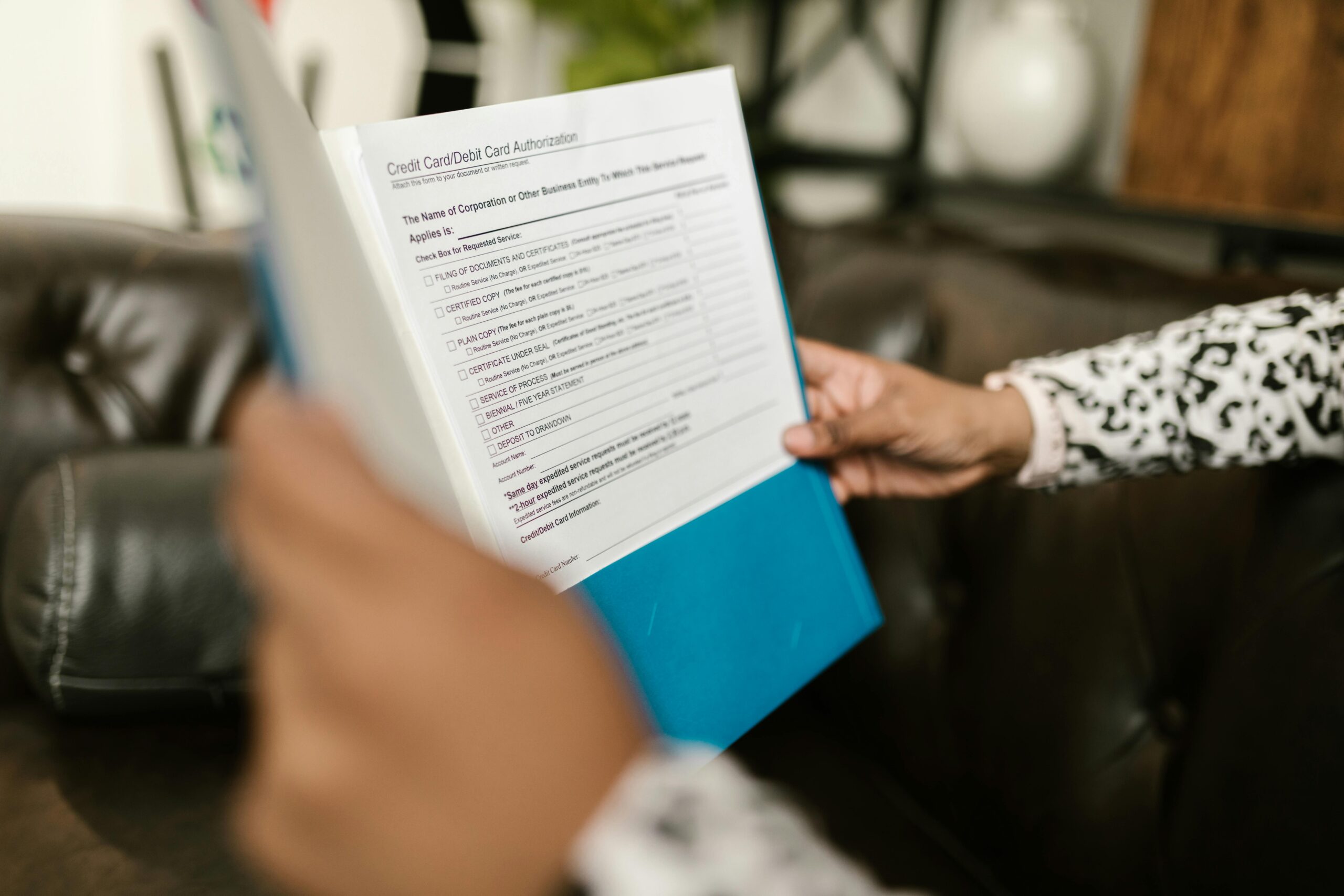
Paper archives can quickly spiral out of control, consuming valuable space and mental energy. Mastering document organization transforms chaos into clarity, efficiency, and peace of mind.

📄 Why Paper Archive Organization Matters More Than Ever
In our increasingly digital world, the irony remains that paper documents continue to accumulate in homes and offices. Tax returns, medical records, warranties, contracts, and personal correspondence create mounting piles that demand attention. The consequences of disorganization extend beyond mere clutter—lost documents can mean missed opportunities, legal complications, or financial penalties.
Research suggests that the average person spends approximately 4.3 hours per week searching for misplaced papers and documents. Over a year, that’s more than nine full days wasted on preventable frustration. Beyond time loss, poor paper management creates stress, reduces productivity, and can even impact your professional reputation when important documents vanish at critical moments.
Physical document storage also presents practical challenges. Paper degrades over time, especially when exposed to moisture, sunlight, or fluctuating temperatures. Valuable records can become illegible, photographs fade, and important legal documents may lose their integrity. Proper archival organization isn’t just about tidiness—it’s about preservation, accessibility, and protecting what matters most.
🎯 Understanding Your Document Ecosystem
Before diving into organization strategies, you need to understand what you’re working with. Most households and businesses manage several distinct categories of paper documents, each with different retention requirements and access frequencies.
Essential Document Categories
Legal and financial documents form the foundation of your archive system. This category includes birth certificates, marriage licenses, property deeds, wills, insurance policies, tax returns, and investment statements. These documents typically require long-term or permanent storage with high security considerations.
Medical records represent another critical category. Vaccination records, surgical reports, prescription histories, and insurance claims need systematic organization for quick retrieval during emergencies or routine appointments. Healthcare providers increasingly request historical information, making organized medical archives invaluable.
Personal correspondence and memories include letters, greeting cards, children’s artwork, certificates, diplomas, and photographs. While these may not carry legal weight, they hold emotional value and deserve thoughtful preservation strategies that balance sentimentality with realistic space constraints.
Operational documents encompass warranties, instruction manuals, receipts for major purchases, vehicle maintenance records, and home improvement documentation. These items have finite usefulness but require accessibility during their relevant timeframes.
💡 The Foundation: Purge Before You Organize
The single most effective step in paper archive organization is eliminating unnecessary documents. Many people attempt to organize everything they currently possess, resulting in elaborate systems managing obsolete paperwork. Purging first reduces volume dramatically and makes subsequent organization exponentially easier.
Document Retention Guidelines
Understanding how long to keep various documents prevents both premature disposal and excessive accumulation. Tax-related documents generally require seven-year retention in most jurisdictions, though some situations warrant longer periods. Bank statements can typically be discarded after one year if they don’t support tax returns. Credit card statements follow similar timelines unless they document tax-deductible expenses or major purchases still under warranty.
Utility bills rarely need retention beyond payment confirmation unless they’re required for tax purposes or rental agreements. Pay stubs can be shredded after reconciling with annual tax documents. Insurance policies should be kept while active, plus several years after termination to address potential claims.
Medical records deserve indefinite retention for serious diagnoses, surgeries, or chronic conditions. Routine visit summaries can be discarded after several years. Vaccination records should be permanently maintained, especially for children.
The Sorting Session Strategy
Effective purging requires dedicated time and a systematic approach. Block out several hours when you won’t be interrupted. Create four distinct zones: Keep, Shred, Recycle, and Digitize. Every paper passes through your hands exactly once, receiving an immediate decision.
Start with the easiest category—typically expired coupons, outdated catalogs, and obvious junk mail. Early wins build momentum. Progress to operational documents, then financial papers, and finally tackle sentimental items when your decision-making muscles are warmed up.
When hesitating over a document, ask three questions: Do I have a legal obligation to retain this? Would losing this create significant inconvenience? Does this serve a current purpose in my life? If you answer “no” to all three, the document goes.
🗂️ Designing Your Archival System
With unnecessary papers eliminated, you can now build an organizational system tailored to your specific needs. The best systems share common characteristics: simplicity, consistency, and scalability.
Choosing Your Physical Storage Method
Filing cabinets offer traditional, robust storage with excellent capacity. Vertical files work well for letter-sized documents and provide easy browsing. However, they consume floor space and can be expensive. Lateral filing cabinets offer more storage density but require more wall space.
Portable file boxes provide flexibility and affordability. These stackable containers work beautifully for archives accessed infrequently. They’re ideal for long-term storage that can be relocated to basements, attics, or external storage facilities. However, they’re less convenient for frequently accessed documents.
Binders excel for documents requiring regular reference or chronological organization. Medical records, vehicle maintenance logs, and household projects benefit from binder systems. They’re visible, accessible, and allow easy insertion of new materials. The downside is bulk—binders consume considerable shelf space.
Accordion folders and expanding files suit smaller archives or transitional systems. They’re affordable and portable but offer limited capacity and can become unwieldy when overstuffed.
Creating an Intuitive Categorization Scheme
Your filing categories should match how you naturally think about your documents. Most people organize around life domains: financial, medical, legal, household, personal, and professional. Within each domain, create subcategories reflecting actual use patterns.
Financial documents might divide into subcategories like taxes by year, banking by institution, investments by account, insurance by type, and major purchases by category. Medical files could separate by family member, then by provider or condition. Legal documents organize well by type: estate planning, property, identification, and contracts.
Label everything clearly using consistent terminology. Avoid cryptic abbreviations that future you won’t decipher. Use a label maker for professional appearance and durability, or clear handwriting with permanent markers for budget-friendly alternatives.
Implementing Color Coding for Visual Navigation
Color coding accelerates document retrieval by creating visual landmarks. Assign colors to major categories—perhaps blue for financial, red for medical, green for legal, and yellow for household documents. Use colored folders, labels, or adhesive dots consistently throughout your system.
The human brain processes colors faster than text, making color-coded systems particularly effective for households with multiple users or offices with shared filing. Children can learn to file and retrieve documents more easily when colors supplement written labels.
📱 Bridging Paper and Digital: Hybrid Solutions
Modern document management increasingly embraces hybrid approaches that leverage both physical archives and digital copies. This strategy offers redundancy for critical documents while reducing physical storage requirements for less essential papers.
Determining What to Digitize
Prioritize digitization for frequently accessed documents, deteriorating papers, and items with high replacement cost or effort. Tax returns, insurance policies, property deeds, and medical records top the digitization list. Original paper versions of critical legal documents should be retained even after scanning, but working copies can be digital.
Sentimental items like children’s artwork, old photographs, and letters often benefit from digitization. Digital preservation protects memories against physical degradation while allowing you to responsibly declutter physical originals after capturing high-quality images.
Scanning Best Practices
Invest in a quality scanner appropriate to your volume. Flatbed scanners handle varied document sizes and delicate materials but process slowly. Sheet-fed scanners accelerate bulk digitization but require standard-sized, sturdy papers. Smartphone scanning apps offer convenience for occasional digitization but lack the quality and speed of dedicated hardware.
Scan documents at 300 DPI minimum for text clarity and potential OCR (Optical Character Recognition). Use PDF format for multi-page documents and JPEG for photographs. Implement consistent file naming conventions that include date, category, and descriptive keywords: “2024-01-15_Tax_W2_EmployerName.pdf” beats “Scan001.pdf” for future retrieval.
Digital Organization Mirrors Physical Systems
Structure your digital archives to parallel your physical filing system. This consistency reduces cognitive load when searching for documents across formats. Create folders matching your physical categories, and consider cloud storage services that offer automatic backup, version control, and access from multiple devices.
Security matters enormously for digital documents. Password-protect sensitive files, enable two-factor authentication on cloud accounts, and maintain encrypted backups of critical records. Digital convenience shouldn’t compromise security.
🔄 Maintaining Your System Long-Term
Even perfectly designed organizational systems deteriorate without maintenance. Paper documents continuously enter your life through mail, purchases, medical appointments, and financial transactions. Sustainable organization requires ongoing attention.
The Inbox Methodology
Designate a single collection point for all incoming papers—a physical inbox, basket, or folder near your entry point. This prevents papers from scattering across counters, tables, and desks. Commit to processing this inbox at least weekly, ideally at a consistent day and time that becomes habitual.
Processing means making decisions: file, act, digitize, or discard. Papers shouldn’t migrate from inbox to undefined piles elsewhere. Each document receives immediate action or scheduling for necessary follow-up before filing.
Scheduled Purge Sessions
Calendar quarterly or semi-annual archive reviews. During these sessions, remove documents that have exceeded their retention periods, update insurance policies, consolidate tax materials from the previous year, and assess whether your system still serves your needs effectively.
Annual reviews should include more thorough evaluation. Have your life circumstances changed in ways that affect document needs? Has your system become unwieldy in particular categories? Are there persistent filing frustrations suggesting necessary adjustments?
Family and Household Participation
If multiple people contribute to household paperwork, everyone needs system training. Spend time showing family members where categories live, how to use labels, and what documents require immediate attention versus routine filing. Children can learn filing responsibility from surprisingly young ages when systems are simple and color-coded.
Create a one-page quick reference guide listing major categories and their locations. Post this near your filing area so household members can independently file documents correctly rather than creating “I don’t know where this goes” piles.
🏆 Advanced Strategies for Paper Archive Mastery
Archival-Quality Materials for Long-Term Preservation
When storing documents for decades, material quality matters. Standard file folders contain acids that degrade paper over time. Archival-quality, acid-free folders, boxes, and sleeves prevent yellowing and deterioration. These materials cost more but prove worthwhile for irreplaceable documents like birth certificates, property deeds, and family photographs.
Consider environmental storage conditions. Avoid areas with temperature extremes, high humidity, or direct sunlight. Basements prone to dampness and attics with summer heat endanger paper longevity. Climate-controlled spaces preserve documents best, though they’re not always practical for bulky archives.
Creating a Master Index
For extensive archives, a master index accelerates retrieval dramatically. This document lists all major files and their physical locations. When your tax returns live in the home office filing cabinet, drawer two, but your property deed resides in a safe deposit box, a master index prevents frustrating searches.
Digital master indexes offer searchability advantages. A simple spreadsheet with columns for category, subcategory, specific document description, location, and date range allows rapid keyword searching. Update this index during your regular maintenance sessions.
Vital Documents Emergency Kit
Prepare a portable file containing copies or originals of documents needed during emergencies: identification, insurance policies, medical information, emergency contacts, and financial account details. Store this kit in a fireproof, waterproof container that can be grabbed quickly during evacuations.
This emergency preparedness intersects beautifully with digitization efforts. Store digital copies of vital documents on encrypted thumb drives kept in multiple locations—one in your emergency kit, another with a trusted friend or family member, and cloud backups accessible from anywhere with internet connectivity.
✨ Transforming Mindset: From Burden to Empowerment
Paper archive organization often feels like an obligation—tedious work with no immediate payoff. Reframing this perspective transforms the experience and sustains motivation through inevitable challenges.
Organized archives represent empowerment and autonomy. You control your information rather than being controlled by chaos. When life presents challenges requiring documentation—medical emergencies, legal matters, financial decisions—you respond with confidence rather than panic, knowing precisely where essential records live.
Consider the peace that accompanies knowing your affairs are in order. Should something happen to you, could loved ones locate important documents? Organized archives are acts of care for both present and future you, and for those who might need to navigate your affairs.
Document organization also creates mental clarity that extends beyond filing cabinets. Physical clutter generates mental clutter. Conquering paper chaos often catalyzes broader life organization, creating momentum for tackling other overwhelming areas. The skills developed—decision-making, categorization, maintenance discipline—transfer readily to other domains.
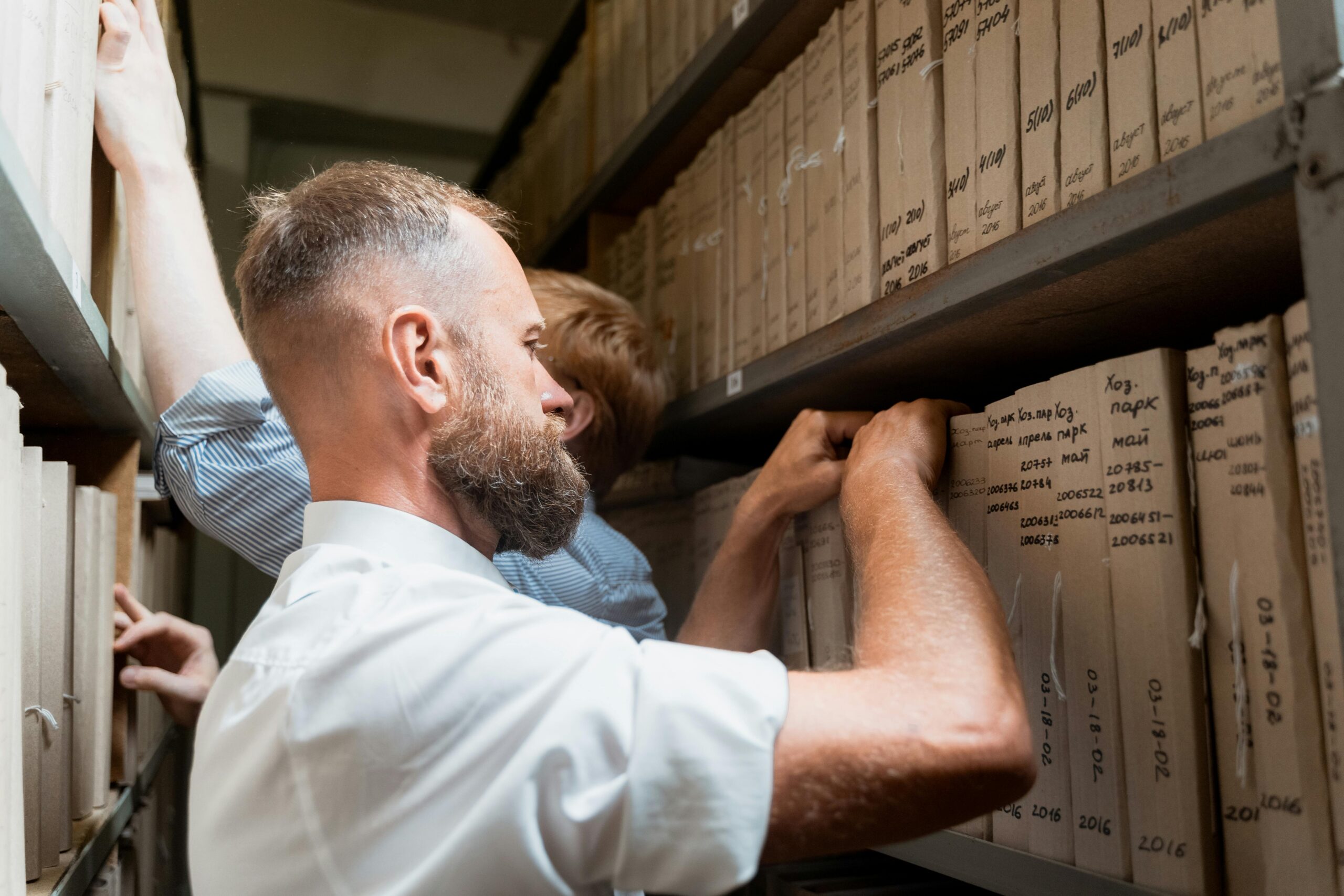
🚀 Taking Action: Your First Steps Today
Knowledge without action changes nothing. Commit to starting your paper archive transformation today, not someday. Begin small to prevent overwhelm and build sustainable momentum.
Your immediate action step: spend fifteen minutes gathering scattered papers from around your living or work space into a single collection point. Don’t organize yet—just collect. This simple act creates visible progress and prepares for your first proper sorting session.
Schedule your initial purge and organization session within the next week. Block three uninterrupted hours on your calendar. Gather supplies: file folders, labels, markers, recycling bags, and a shredder or shredding service plan. Having materials ready eliminates procrastination excuses.
Remember that perfect systems don’t exist. Your organizational approach will evolve as your life changes. Start with functional simplicity rather than pursuing elaborate perfection that never materializes. A basic system implemented beats a sophisticated system perpetually planned.
Paper archive mastery isn’t a destination but an ongoing practice. You’re not seeking to eliminate all paper from existence but to create systems that serve your life effectively. With consistent attention and the strategies outlined here, document chaos transforms into ordered calm, supporting your goals rather than obstructing them. Your streamlined, decluttered, transformed archive awaits—one sorted paper at a time.