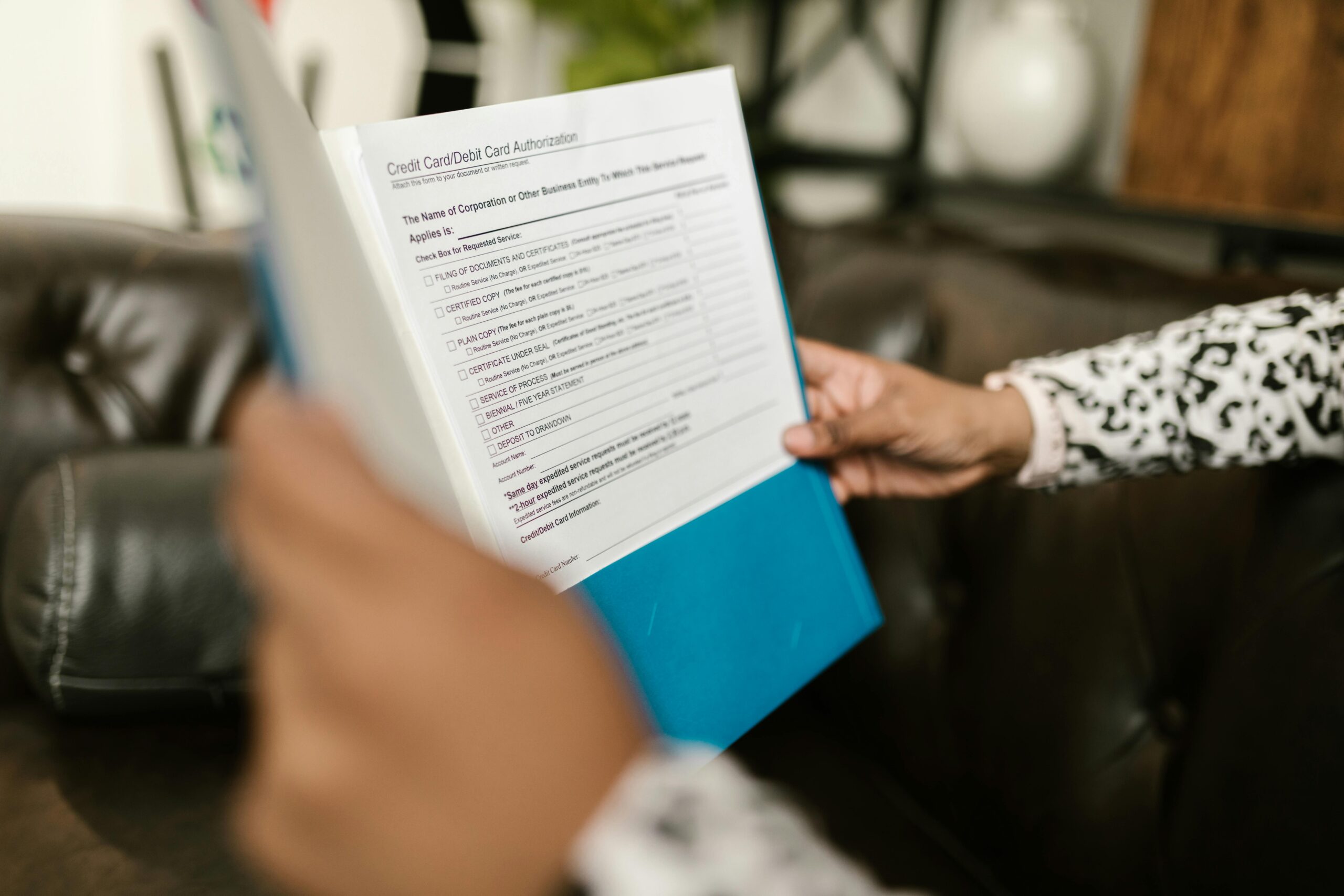
In today’s interconnected world, businesses and individuals increasingly engage across borders, making efficient cross-border legal processes essential for successful international collaboration and global justice.

🌍 The Growing Need for Streamlined International Legal Frameworks
Global commerce has transformed dramatically over the past two decades. Companies no longer operate within the confines of their national borders, and individuals frequently engage in transactions, partnerships, and legal arrangements that span multiple jurisdictions. This unprecedented level of international activity has created both opportunities and challenges in the legal landscape.
The complexity of navigating different legal systems, languages, cultural norms, and regulatory requirements can be overwhelming. Each country maintains its own legal traditions, procedural rules, and enforcement mechanisms. When disputes arise or when parties need to formalize agreements across borders, the resulting legal processes can become time-consuming, expensive, and frustratingly complicated.
Understanding how to simplify these processes while maintaining legal integrity has become crucial for businesses, legal professionals, and individuals engaged in international activities. The pursuit of global justice depends on making cross-border legal collaboration more accessible, transparent, and efficient.
Understanding the Challenges of Cross-Border Legal Complexity
Before we can simplify cross-border legal processes, we must understand the specific challenges that make them complicated. These obstacles exist at multiple levels and affect various stakeholders differently.
Jurisdictional Conflicts and Legal System Differences
One of the most fundamental challenges involves determining which country’s laws apply to a particular situation. Different legal traditions—common law, civil law, religious law, and mixed systems—operate on distinct principles. What constitutes a valid contract in one jurisdiction may not meet requirements in another.
Jurisdictional conflicts arise when multiple countries claim authority over the same dispute or transaction. A contract signed between a Canadian company and a Japanese supplier, with goods manufactured in Vietnam and delivered to customers in Germany, creates a web of potential jurisdictions, each with legitimate interests in regulating different aspects of the relationship.
Language Barriers and Translation Issues
Legal language is precise by necessity, and even minor translation errors can completely alter the meaning of contracts, court documents, or regulatory compliance materials. Legal concepts often don’t translate directly between languages because they’re rooted in specific legal traditions and cultural contexts.
The cost and time required for accurate legal translation add significant burdens to cross-border processes. Moreover, when disputes arise, parties must often navigate proceedings in languages they don’t fully understand, creating potential disadvantages and raising fairness concerns.
Regulatory Compliance and Documentation Requirements
Different countries impose varying documentation requirements for contracts, corporate registrations, intellectual property protection, and dispute resolution. Some jurisdictions require notarization, apostilles, or consular authentication for documents to be recognized. Others have specific formatting requirements, mandatory clauses, or registration procedures.
Keeping track of these requirements across multiple jurisdictions demands specialized knowledge and constant attention to regulatory changes. Non-compliance can result in contracts being deemed invalid, transactions being delayed, or penalties being imposed.
🤝 Modern Solutions for Simplified Cross-Border Legal Processes
Despite these challenges, significant progress has been made in simplifying cross-border legal collaboration. A combination of international agreements, technological innovations, and evolving legal practices has created new pathways for more efficient global justice.
International Treaties and Harmonization Efforts
Various international organizations have worked to create frameworks that reduce friction in cross-border legal matters. The Hague Conference on Private International Law has produced numerous conventions addressing jurisdiction, applicable law, and recognition of judgments. These agreements help parties predict which laws will apply and ensure that judgments rendered in one country can be enforced in others.
The United Nations Commission on International Trade Law (UNCITRAL) has developed model laws and conventions that countries can adopt to harmonize commercial law practices. These include frameworks for international arbitration, electronic commerce, and secured transactions.
Regional organizations like the European Union have gone further, creating unified legal frameworks across member states that significantly simplify cross-border activities within the region. Similar efforts exist in other regions, though with varying degrees of integration.
Alternative Dispute Resolution Mechanisms
International arbitration has become the preferred method for resolving cross-border commercial disputes. Unlike litigation in national courts, arbitration offers parties the ability to choose neutral forums, select arbitrators with relevant expertise, and obtain awards that are more easily enforceable internationally thanks to the New York Convention.
Mediation and other collaborative dispute resolution methods are also gaining traction. These approaches emphasize finding mutually acceptable solutions rather than imposing judgments, often preserving business relationships and reducing costs compared to adversarial proceedings.
Online dispute resolution (ODR) platforms have emerged as particularly promising tools for smaller-value cross-border disputes. These platforms use technology to facilitate negotiations, mediations, and even arbitrations entirely online, dramatically reducing costs and increasing accessibility.
💡 Leveraging Technology for Cross-Border Legal Efficiency
Technological innovation has become one of the most powerful forces for simplifying international legal processes. Digital tools are transforming how legal services are delivered across borders and how parties collaborate on international matters.
Digital Document Management and E-Signatures
Cloud-based document management systems enable parties in different countries to collaborate on contracts and other legal documents in real-time. Version control features ensure everyone works from the same document, while access controls protect sensitive information.
Electronic signatures have gained legal recognition in most major jurisdictions, eliminating the need to physically mail documents around the world for signing. International standards and regulations like eIDAS in Europe and ESIGN in the United States have created frameworks for ensuring the validity and enforceability of electronic signatures across borders.
Blockchain and Smart Contracts
Blockchain technology offers exciting possibilities for cross-border legal processes. Its distributed ledger system creates transparent, tamper-proof records that can be accessed by authorized parties anywhere in the world. This technology is particularly useful for supply chain management, intellectual property registration, and creating verifiable audit trails.
Smart contracts—self-executing agreements with terms directly written into code—can automate certain aspects of international transactions. When predefined conditions are met, the contract automatically executes the agreed actions, reducing the need for intermediaries and minimizing disputes about whether contractual obligations were fulfilled.
Artificial Intelligence and Legal Research
AI-powered legal research tools can quickly analyze laws and regulations across multiple jurisdictions, helping legal professionals identify relevant authorities and understand how different legal systems approach similar issues. Machine learning algorithms can review contracts for compliance with various jurisdictional requirements, flagging potential problems before they become costly disputes.
Translation technology has also improved dramatically, with AI-assisted translation tools providing increasingly accurate renderings of legal documents. While human review remains essential for critical documents, these tools significantly reduce the time and cost associated with translation.
📋 Best Practices for Businesses Engaged in Cross-Border Activities
Organizations that regularly engage in international activities can adopt specific practices to minimize legal complications and facilitate smoother cross-border collaboration.
Proactive Contract Design
Well-drafted international contracts anticipate potential conflicts and address them upfront. Key provisions include:
- Choice of law clauses: Explicitly stating which country’s laws will govern the agreement
- Jurisdiction clauses: Specifying where disputes will be resolved
- Arbitration agreements: Committing to resolve disputes through international arbitration
- Force majeure provisions: Addressing what happens when unforeseen events prevent performance
- Compliance obligations: Clearly allocating responsibility for meeting various regulatory requirements
- Currency and payment terms: Addressing exchange rate risks and payment mechanisms
Investing in comprehensive contract drafting at the outset prevents misunderstandings and costly disputes later.
Building Cross-Border Legal Expertise
Organizations engaged in international activities should develop internal expertise or establish relationships with legal advisors who understand multiple jurisdictions. This might involve:
- Hiring in-house counsel with international law backgrounds
- Establishing relationships with law firms that have offices or partnerships in key jurisdictions
- Participating in international business organizations that provide legal resources
- Providing training to relevant staff on international legal considerations
Having immediate access to knowledgeable guidance helps companies navigate complex situations quickly and avoid costly mistakes.
Compliance Management Systems
Maintaining compliance across multiple jurisdictions requires systematic approaches. Companies should implement compliance management systems that:
- Track regulatory requirements in all relevant jurisdictions
- Monitor changes to laws and regulations that affect business operations
- Establish clear internal procedures for ensuring compliance
- Provide regular training to employees on compliance obligations
- Conduct periodic audits to verify compliance
Automated compliance tools can help monitor regulatory changes and flag potential compliance issues before they become problems.
🔍 The Role of Legal Professionals in Facilitating Global Justice
Lawyers and legal professionals play critical roles in simplifying cross-border legal processes and promoting accessible global justice. Their expertise bridges gaps between different legal systems and helps parties navigate complexity.
Specialization and Continuing Education
The complexity of international law requires lawyers to develop specialized knowledge. Many legal professionals focus on specific areas like international arbitration, cross-border transactions, or particular industry sectors with significant international dimensions.
Continuing education is essential in this rapidly evolving field. International law associations, academic institutions, and professional organizations offer training programs that help lawyers stay current with developments in different jurisdictions, new technologies, and emerging best practices.
Collaborative Networks and Referrals
No single lawyer can be an expert in all jurisdictions. Successful international legal practice depends on building networks with qualified professionals in other countries. These relationships enable lawyers to provide comprehensive advice by accessing local expertise when needed.
International law firm networks, formal associations, and informal professional relationships facilitate these collaborations. When a client needs assistance in a foreign jurisdiction, lawyers can connect them with trusted colleagues who understand local laws and practices.
Looking Toward the Future of Cross-Border Legal Collaboration
The trajectory of cross-border legal processes points toward continued simplification and increased accessibility. Several trends suggest how the landscape might evolve in coming years.
Greater Legal Harmonization
As global commerce continues to expand, pressure will increase for greater harmonization of commercial laws across jurisdictions. While complete unification remains unlikely given diverse legal traditions and policy priorities, we can expect continued progress in developing common frameworks for specific types of transactions.
Areas like digital commerce, intellectual property, and data protection are likely to see increased international coordination as countries recognize that fragmented approaches create inefficiencies and competitive disadvantages.
Enhanced Technological Integration
Technology will continue transforming how cross-border legal services are delivered. We can anticipate more sophisticated AI tools for legal research and document analysis, improved translation capabilities, and expanded use of blockchain for creating verifiable international legal records.
Virtual reality and advanced video conferencing technologies may make remote proceedings and international negotiations more effective, reducing the need for costly international travel while maintaining the benefits of face-to-face interaction.
Increased Access to Justice
Simplification of cross-border legal processes will make international collaboration more accessible to smaller businesses and individuals who previously found the complexity and costs prohibitive. Online dispute resolution platforms, fixed-fee legal services, and improved legal information resources will democratize access to global justice.
This increased accessibility can promote more equitable international commerce and help individuals protect their rights in cross-border situations, from consumer disputes to family law matters involving parties in different countries.
🎯 Creating a Roadmap for Seamless International Legal Collaboration
Organizations and individuals seeking to engage in cross-border activities should approach international legal matters strategically rather than reactively. Building capability for seamless international collaboration requires intentional effort.
Start by assessing your current and anticipated international activities. Identify which jurisdictions are most relevant to your operations and what types of legal issues commonly arise. This assessment helps you prioritize where to build expertise and relationships.
Invest in the right resources early. Whether that means hiring specialized counsel, engaging international law firms, or implementing compliance management systems, having proper resources in place before problems arise is more efficient than scrambling to address issues after they develop.
Stay informed about developments in international law and available tools for simplifying cross-border processes. Subscribe to relevant publications, participate in professional associations, and maintain relationships with advisors who can alert you to changes affecting your interests.
Foster a culture of compliance and international awareness within your organization. When employees understand the importance of cross-border legal considerations and know when to seek guidance, they’re less likely to create problems inadvertently.
Finally, view international legal matters as opportunities rather than obstacles. While navigating different legal systems presents challenges, successful cross-border collaboration opens doors to new markets, partnerships, and growth opportunities that wouldn’t exist in a purely domestic context.

Building Bridges Across Legal Systems
The complexity of cross-border legal processes reflects the rich diversity of legal traditions, cultural values, and governance approaches around the world. Rather than viewing this diversity as purely problematic, we can recognize it as evidence of different communities developing legal systems suited to their particular contexts and values.
The goal of simplifying cross-border legal processes isn’t to eliminate this diversity but to build bridges that allow different systems to work together effectively. Through international cooperation, technological innovation, specialized expertise, and thoughtful practices, we can make global justice more accessible while respecting the legitimate differences between jurisdictions.
As our world becomes increasingly interconnected, the ability to navigate cross-border legal matters efficiently will only grow in importance. Those who develop this capability—whether organizations, legal professionals, or individuals—position themselves to thrive in an increasingly global environment.
The journey toward truly seamless international legal collaboration continues, but the progress made in recent decades demonstrates that simplification is possible. By building on existing foundations, embracing new technologies, and maintaining commitment to accessible global justice, we can create a legal landscape that facilitates rather than hinders international cooperation and mutual prosperity.