
The preservation of historical records stands as one of humanity’s most crucial responsibilities, bridging our past with the present and future generations.

Throughout centuries, civilizations have grappled with the challenge of maintaining accurate historical documentation while combating the natural forces of decay, human error, and intentional manipulation. Understanding how to preserve historical accuracy requires a multifaceted approach that combines traditional archival methods with cutting-edge technology, rigorous verification processes, and a commitment to transparency that transcends political and cultural boundaries.
The importance of historical record accuracy extends far beyond academic curiosity. These documents shape our understanding of human progress, inform contemporary policy decisions, preserve cultural identity, and provide lessons that can prevent the repetition of past mistakes. When historical records are compromised—whether through deterioration, falsification, or loss—entire communities risk losing their heritage, and society loses valuable knowledge that could inform better decision-making.
🔍 The Foundation of Historical Accuracy: Source Verification
Establishing the authenticity of historical sources represents the cornerstone of accurate historical preservation. Historians and archivists employ multiple verification techniques to ensure documents, artifacts, and testimonies reflect genuine historical events rather than fabrications or misinterpretations.
Primary sources—original documents created during the historical period in question—provide the most direct connection to past events. These include letters, diaries, official records, photographs, and physical artifacts. However, even primary sources require careful scrutiny, as they may contain biases, incomplete information, or perspectives limited by the creator’s position in society.
Secondary sources, which analyze and interpret primary materials, add valuable context but introduce additional layers of potential bias. Cross-referencing multiple sources from different perspectives helps historians construct more complete and accurate narratives. This triangulation method has become standard practice in serious historical research, helping to identify inconsistencies and verify claims.
Carbon Dating and Scientific Analysis
Modern scientific methods have revolutionized our ability to verify historical artifacts and documents. Radiocarbon dating, dendrochronology (tree-ring dating), and thermoluminescence provide objective timelines that can confirm or challenge historical claims. These techniques have resolved numerous historical controversies and exposed fraudulent artifacts that might otherwise have distorted our understanding of the past.
Chemical analysis of inks, papers, and materials can determine whether documents originated in their claimed time period or were created later. Spectroscopy, X-ray fluorescence, and other non-destructive testing methods allow researchers to examine historical materials without causing damage, preserving them for future study while extracting maximum information.
📚 Digital Preservation: The Modern Frontier
The digital revolution has transformed historical preservation, offering unprecedented opportunities alongside new challenges. Digitization projects worldwide have made millions of historical documents accessible to researchers and the public, democratizing access to primary sources that were once restricted to those who could physically visit archives.
High-resolution scanning and photography capture documents in exquisite detail, often revealing information invisible to the naked eye. Multispectral imaging can recover faded or erased text, while 3D scanning preserves three-dimensional artifacts with remarkable accuracy. These digital surrogates serve as backup copies in case originals are damaged or destroyed, and they can be enhanced and analyzed using computational methods impossible with physical documents.
The Challenge of Digital Longevity ⚠️
Despite its advantages, digital preservation faces unique challenges. File formats become obsolete, storage media degrades, and technological changes can render digital archives inaccessible. A document saved in a proprietary format from twenty years ago may be unreadable today without specialized software or hardware.
Archival institutions now employ digital preservation strategies that include format migration, emulation, and maintaining multiple redundant copies across different storage systems and geographic locations. International standards organizations have developed guidelines for creating sustainable digital archives that can withstand technological change and remain accessible for centuries.
Blockchain technology presents intriguing possibilities for verifying the authenticity and chain of custody of digital historical records. By creating immutable timestamps and verification records, blockchain could help ensure that digital archives haven’t been tampered with, addressing concerns about the malleability of digital information.
🏛️ Physical Conservation: Traditional Methods Still Matter
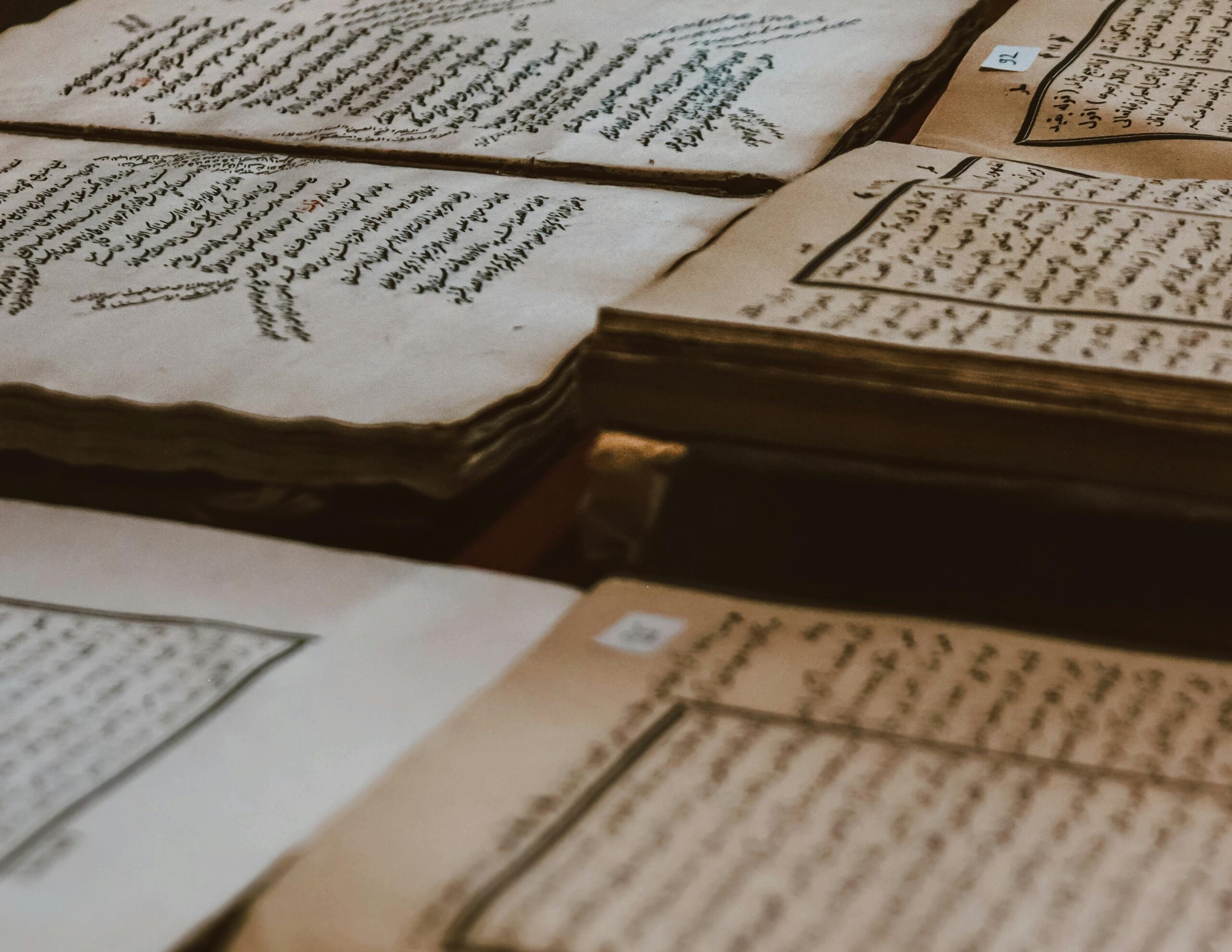
While digital technology offers powerful tools, physical conservation remains essential for original historical materials. Paper documents, photographs, textiles, and other artifacts require specialized storage conditions to prevent deterioration from light, temperature fluctuations, humidity, pests, and pollutants.
Professional conservators employ techniques ranging from simple proper storage to complex chemical treatments that stabilize fragile materials. Acid-free enclosures, climate-controlled storage, and careful handling protocols extend the lifespan of historical materials by centuries. Deacidification treatments can neutralize acids in paper, preventing the brittleness that destroys many historical documents.
Balancing Access and Preservation
Archives face a constant tension between making materials accessible for research and protecting them from handling damage. Excessive handling accelerates deterioration, yet overly restrictive access policies prevent researchers from studying these materials and generating new historical knowledge.
Many institutions have developed graduated access policies, where researchers first consult digital surrogates and only request physical materials when absolutely necessary. Rare or fragile items may be restricted to supervised viewing rooms where temperature, humidity, and lighting are controlled, and researchers use provided supports and tools rather than handling materials directly.
🔐 Combating Historical Manipulation and Falsification
History has always been vulnerable to manipulation by those who seek to reshape narratives for political, ideological, or personal purposes. From ancient rulers erasing predecessors from official records to modern propaganda campaigns, historical falsification threatens our collective understanding of the past.
Critical historical methodology teaches researchers to question sources, identify bias, and recognize manipulation. Propaganda, selective omission, anachronistic language, and inconsistencies in dating or detail can all signal problems with historical sources. Comparing multiple contemporary accounts often reveals manipulation, as fabricated narratives typically lack the corroborating evidence found in genuine historical records.
The Holocaust and Genocide Documentation
Perhaps nowhere is historical accuracy more critical than in documenting atrocities like the Holocaust, genocides, and crimes against humanity. Denial movements deliberately attempt to distort or erase these histories, making rigorous documentation and preservation essential for historical justice and preventing future atrocities.
Organizations like Yad Vashem, the United States Holocaust Memorial Museum, and the International Criminal Court maintain extensive archives of testimony, documents, and physical evidence. These institutions employ forensic historians who can counter denial claims with overwhelming documentary evidence, demonstrating the power of properly preserved historical records.
🌍 Cultural Perspectives and Inclusive History
Historical accuracy requires recognizing that different cultures and communities preserve and interpret their pasts differently. Western academic historical methods aren’t universally applicable, and indigenous communities often maintain historical knowledge through oral traditions, ceremonies, and material culture rather than written documents.
Respecting these diverse approaches to historical preservation enriches our understanding of the past. Oral histories capture perspectives and details that written records miss, particularly from communities that were illiterate, marginalized, or actively excluded from official record-keeping. Anthropologists and historians increasingly collaborate with indigenous communities to document and preserve these alternative historical records on terms respectful of cultural protocols.
Decolonizing Archives
Many historical archives contain materials extracted from colonized peoples under exploitative circumstances. The movement to decolonize archives involves reexamining how these materials are described, who controls access to them, and whether they should be repatriated to their communities of origin.
This process acknowledges that archival descriptions often reflect colonial biases and that affected communities should have input into how their histories are preserved and interpreted. Some institutions now collaborate with descendant communities to create more accurate and culturally appropriate documentation, recognizing these communities as partners rather than merely subjects of historical study.
💡 Education and Historical Literacy
Preserving accurate historical records means little if people lack the skills to interpret and learn from them. Historical literacy—the ability to critically evaluate sources, understand historical context, and distinguish between reliable and unreliable information—has become increasingly important in an era of widespread misinformation.
Educational institutions play a crucial role in developing these skills. Rather than memorizing dates and names, students should learn to analyze primary sources, recognize bias, and construct evidence-based historical arguments. These skills transfer beyond history classes, helping people navigate contemporary information environments where manipulation and misinformation are prevalent.
Public History and Community Engagement
Museums, historical societies, and heritage sites bridge academic history and public understanding. Effective public history initiatives make historical records accessible and relevant to diverse audiences, demonstrating how the past connects to contemporary issues and lived experiences.
Community history projects that involve local residents in documenting and preserving their own histories create broader investment in historical preservation. These initiatives often recover stories that official archives overlook, enriching our collective historical record with diverse perspectives and experiences.
⚖️ Legal and Ethical Frameworks for Historical Records
Legal protections for historical materials vary dramatically across jurisdictions, affecting preservation efforts worldwide. Some countries classify certain historical records as national heritage, restricting export and requiring professional conservation. Others lack comprehensive legal frameworks, leaving historical materials vulnerable to theft, destruction, or commercial exploitation.
Privacy concerns complicate historical preservation, particularly for recent history. Medical records, personal correspondence, and government documents may contain sensitive information about living individuals or their immediate descendants. Archival ethics require balancing the historical value of these materials against privacy rights, typically through restricted access periods or redaction of identifying information.
Repatriation and Cultural Property
International law increasingly recognizes the rights of source communities to cultural property and historical materials taken during colonialism or armed conflict. The UNESCO conventions on cultural property and ongoing repatriation debates demonstrate growing acknowledgment that historical materials have significance beyond their research value—they’re integral to cultural identity and community healing.
Successful repatriation requires careful documentation of provenance and often involves cooperation between multiple institutions and governments. Digital technology enables new models where materials can be physically repatriated while digital copies remain accessible to researchers worldwide, potentially resolving tensions between universal access and cultural rights.
🚀 Emerging Technologies and Future Directions
Artificial intelligence and machine learning are transforming historical research and preservation. Handwriting recognition algorithms can transcribe millions of handwritten documents far faster than human transcribers, making previously inaccessible archives searchable and analyzable at scale. Natural language processing can identify patterns across vast document collections, revealing connections researchers might never discover manually.
Virtual and augmented reality technologies create immersive historical experiences that bring the past to life for new generations. These tools can reconstruct destroyed heritage sites, visualize historical events, and help people understand historical contexts in visceral ways that traditional media cannot achieve.
Crowdsourcing has democratized historical preservation, enabling public participation in transcription, identification, and contextualization of historical materials. Projects like those hosted by the Smithsonian Institution and National Archives have engaged thousands of volunteers in transcribing historical documents, dramatically expanding access to these materials while creating communities of engaged historical learners.
🌟 Building Resilient Historical Archives for Future Generations
Creating historical archives that will serve future generations requires foresight, investment, and international cooperation. Climate change threatens physical archives through increased flooding, wildfires, and extreme weather. Political instability endangers archives in conflict zones. Budget constraints force difficult prioritization decisions about what can be preserved.
Distributed preservation strategies—maintaining copies of important materials across multiple institutions and locations—provide resilience against localized disasters. International collaboration enables resource sharing, expertise exchange, and coordinated responses to preservation emergencies. When war threatened Syrian archives, international partnerships helped evacuate and preserve materials that would otherwise have been destroyed.
Sustainable funding models are essential for long-term preservation. Archives require ongoing maintenance, not just initial digitization or conservation. Endowments, government support, and innovative public-private partnerships can ensure that preservation work continues across generations, adapting to new challenges and technologies.
🎯 The Collective Responsibility of Historical Stewardship
Preserving accurate historical records isn’t solely the responsibility of professional historians and archivists—it’s a collective endeavor that requires participation from individuals, communities, institutions, and governments. Everyone who saves family photographs, documents community events, or shares memories contributes to preserving the historical record.
As custodians of the past for future generations, we must approach historical preservation with humility and rigor. This means acknowledging the limitations of our knowledge, remaining open to new evidence that challenges established narratives, and continuously refining our methods for authenticating and preserving historical materials.
The digital age has made everyone a potential historian and archivist. Social media posts, digital photographs, and electronic communications create vast quantities of potential historical materials. While this abundance offers unprecedented documentation of contemporary life, it also poses enormous preservation challenges. What from today’s digital deluge will survive for future historians, and who decides what’s worth preserving?
Historical accuracy isn’t about achieving perfect objectivity—an impossible standard given that all historical work involves interpretation and selection. Instead, it’s about transparency regarding sources and methods, intellectual honesty about limitations and uncertainties, and commitment to following evidence wherever it leads, even when findings challenge comfortable narratives or powerful interests.
The secrets to preserving and understanding historical record accuracy ultimately lie in combining rigorous methodology with technological innovation, respecting diverse historical traditions while maintaining critical standards, and recognizing that historical preservation serves not just academic curiosity but fundamental human needs for identity, justice, and wisdom. By approaching historical records with appropriate skepticism and care, employing both traditional conservation techniques and emerging technologies, and fostering broad historical literacy, we can ensure that future generations inherit not just documents and artifacts, but accurate, meaningful understanding of the human journey through time. 📖